Best Practices for PPE Waste Disposal in Everyday Life
In the wake of global health concerns, the use of Personal Protective Equipment (PPE) has become an everyday necessity. From face masks and gloves to face shields, PPE plays a vital role in safeguarding us against various infectious diseases. However, with increased usage comes the challenge of effective PPE waste disposal. Improper disposal not only poses environmental hazards but also threatens public health.
This comprehensive guide explores the best practices for PPE waste disposal in everyday life, offering actionable tips and sustainable strategies for households, workplaces, and public spaces.
Understanding PPE and Its Impact on the Environment
Personal Protective Equipment encompasses a wide range of products, including:
- Disposable face masks (surgical masks and N95 respirators)
- Gloves (latex, nitrile, and vinyl)
- Face shields and goggles
- Protective gowns and aprons
With billions of pieces of PPE used globally, improper disposal has led to environmental pollution. Non-biodegradable PPE, especially masks and gloves, make their way into landfills and oceans, endangering wildlife and contaminating our ecosystem.
Why is Proper PPE Waste Disposal Important?
- Minimizes environmental impact and prevents pollution
- Reduces risk of disease transmission
- Keeps communities clean and safe
- Helps regulatory compliance and public health goals
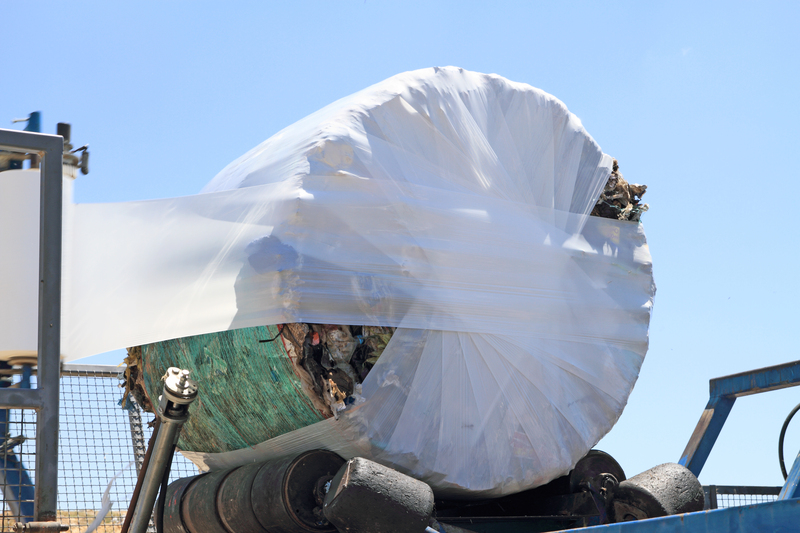
Types of PPE Waste and Their Proper Handling
1. Mask Waste
Masks, particularly single-use surgical and N95 masks, are widely used. They are typically made of plastic polymers that do not decompose easily.
- Never flush masks down the toilet. This can clog plumbing and pollute waterways.
- Cut the ear loops before disposal to prevent animal entanglement if the mask accidentally makes its way into nature.
- Double-bag used masks and place them in designated PPE trash bins, if available, or general waste if separate bins are not provided.
2. Glove Waste
Gloves are often contaminated after use.
- Remove gloves without touching the outside surface; fold and dispose immediately after use.
- Do not attempt to reuse single-use gloves.
- Dispose of in a sealed bag or designated bin to prevent contamination spread.
3. Face Shields and Goggles
Most are reusable after proper disinfection. For those that must be discarded:
- Disassemble if possible; separate plastic parts for recycling where facilities exist.
- If broken or contaminated beyond reuse, dispose with general non-recyclable waste.
4. Gowns and Aprons
Single-use gowns and aprons should be disposed of similarly to masks and gloves--sealed in a bag in the general waste stream. Reusable PPE should be laundered at high temperatures after each use.
General Safety Tips for Everyday PPE Waste Disposal
- Wash hands thoroughly with soap and water after handling used PPE.
- Do not remove PPE in shared or crowded places; use designated doffing areas if available.
- Never leave used PPE in public or outdoor areas--this can spread infection and pollute the environment.
- Educate family members and coworkers about the importance of proper PPE disposal.
Creating a Home PPE Waste Disposal System
With many communities lacking designated PPE recycling or disposal facilities, households can implement simple strategies to manage PPE waste responsibly.
Step-by-Step Guide
- Designate a PPE Waste Bin: Use a container with a lid, lined with a plastic bag, labeled "PPE Only".
- Double-Bag: For used masks and gloves, especially if someone in the household is sick, double-bag to prevent leaks.
- Seal the Bag Tightly: Once the bag is full, tie it securely to avoid accidental contact.
- Dispose with General Waste: Place the sealed bag in the main trash bin for collection; avoid placing PPE waste in recycling streams.
- Wash Hands after disposal to minimize contamination risk.
Additional Home Tips
- Post clear instructions above the PPE waste bin to remind household members of proper protocols.
- *Do not* burn PPE waste at home, as this releases toxic fumes.
PPE Waste Disposal in the Workplace
Offices, retail stores, and service centers benefit from structured waste management protocols. Here are best practices:
- Place labeled PPE waste bins in accessible locations (entrances, exits, restrooms).
- Train staff on correct removal and disposal of PPE.
- Arrange regular waste collection and ensure custodial staff use gloves and masks when handling bins.
- Display posters and reminders in break rooms and common areas.
- Consider eco-friendly alternatives like biodegradable masks or reusable PPE where feasible.
Public Space PPE Disposal Etiquette
Proper PPE disposal in public ensures community safety:
- Carry a small ziplock or plastic pouch for your used masks and gloves if bins are unavailable.
- Never litter PPE in parks, sidewalks, or public transportation.
- If you see PPE litter, report it to local sanitation authorities.
- Encourage friends and family to adopt safe PPE waste habits.
Environmental Considerations and Sustainable Alternatives
The rise in single-use PPE waste is daunting, but you can make a difference:
- Choose reusable, washable masks and face shields when situations allow.
- Opt for masks made of biodegradable or compostable materials where possible.
- Donate or responsibly recycle eyewear and reusable PPE at local recycling centers.
- Support community recycling programs that collect PPE waste for energy recovery or repurposing.
Legal and Regulatory Guidelines for PPE Waste Disposal
Many countries have specific rules regarding infectious waste. Check your municipality's guidelines for PPE disposal; during outbreaks, some areas have set up special collection systems. Ensure that you are disposing of PPE waste in accordance with:
- CDC or WHO guidelines
- Local waste management authorities
- Community medical waste regulations
Failure to comply may carry fines and poses serious public health risks.
PPE Waste Recycling: Is It Possible?
Standard recycling facilities do not process contaminated PPE for safety reasons. However, some innovative programs and companies are developing ways to break down plastics in masks and gloves for raw materials.
If your community offers PPE recycling bins or pilot programs, participate and separate PPE waste accordingly. For most households, however, PPE waste must go to landfill unless otherwise directed by your waste provider.
What Should You Not Do With Used PPE?
- Do not flush PPE down toilets or drains.
- Do not place used masks and gloves in public recycling bins.
- Do not burn PPE waste at home.
- Do not leave PPE waste in vehicles or outdoor settings where it may be spread by wind or animals.
Educating Others: Spreading Awareness About PPE Waste Disposal
Promoting safe PPE waste management is essential. Share these tips with friends, family, and coworkers. Social media, community bulletin boards, and local newsletters are great platforms for raising awareness. Schools and childcare centers should provide clear instructions as well.

The Future of PPE and Waste Management
Emerging technologies and regulatory changes are shaping the future of PPE waste disposal. Researchers are developing more environmentally friendly materials for single-use PPE. Meanwhile, community-based collection and recycling schemes are gaining traction.
Advocating for sustainable PPE production and supporting new recycling initiatives will help minimize the impact of PPE waste in years to come.
Conclusion: Making PPE Waste Disposal a Daily Habit
Proper PPE waste management is not just a temporary response to pandemics; it is a vital, ongoing responsibility. By adopting the best practices outlined above, you protect your health, your community, and the environment.
Be part of the solution--dispose of PPE responsibly, and encourage others to do the same. Together, we can keep our homes, cities, and planet safe and clean.
Key Takeaways
- Always use sealed bags for PPE waste and place in the general waste stream.
- Never mix PPE waste with recyclables or flush down the drain.
- Educate others and lead by example in your community and workplace.
- Choose sustainable and reusable PPE options whenever possible.
For more information on best practices for PPE waste disposal, consult your local health department or visit global health authorities' websites.